
Preventive Dentistry
Let us help you maintain good oral health. Along with regular brushing and flossing, proper dental care can help you avoid cavities, cracked teeth, enamel loss, gum disease, and other serious dental problems.
-
Cleanings & Check-Ups
Dental cleanings begin with a quick exam. Your Heritage Oaks Dental professional starts with a visual examination of your teeth and gums, looking for any apparent abnormalities. X-rays may be considered if you're due, and after X-rays, the actual cleaning process starts. The dentist or hygienist will use a small instrument, called a scaler, to remove tartar and plaque from your teeth. In many cases, an ultrasonic cleaning instrument may be used and can help the hygienist to more thoroughly clean the teeth. This also reduces the amount of manual “scraping” on the teeth, increasing patient comfort.
After the plaque and tartar have been carefully removed, the hygienist or dentist brushes and polishes your teeth using a high-powered brush and special toothpaste. This is followed by professional flossing and a fluoride treatment to strengthen your teeth until your next visit.
-
Night Guards
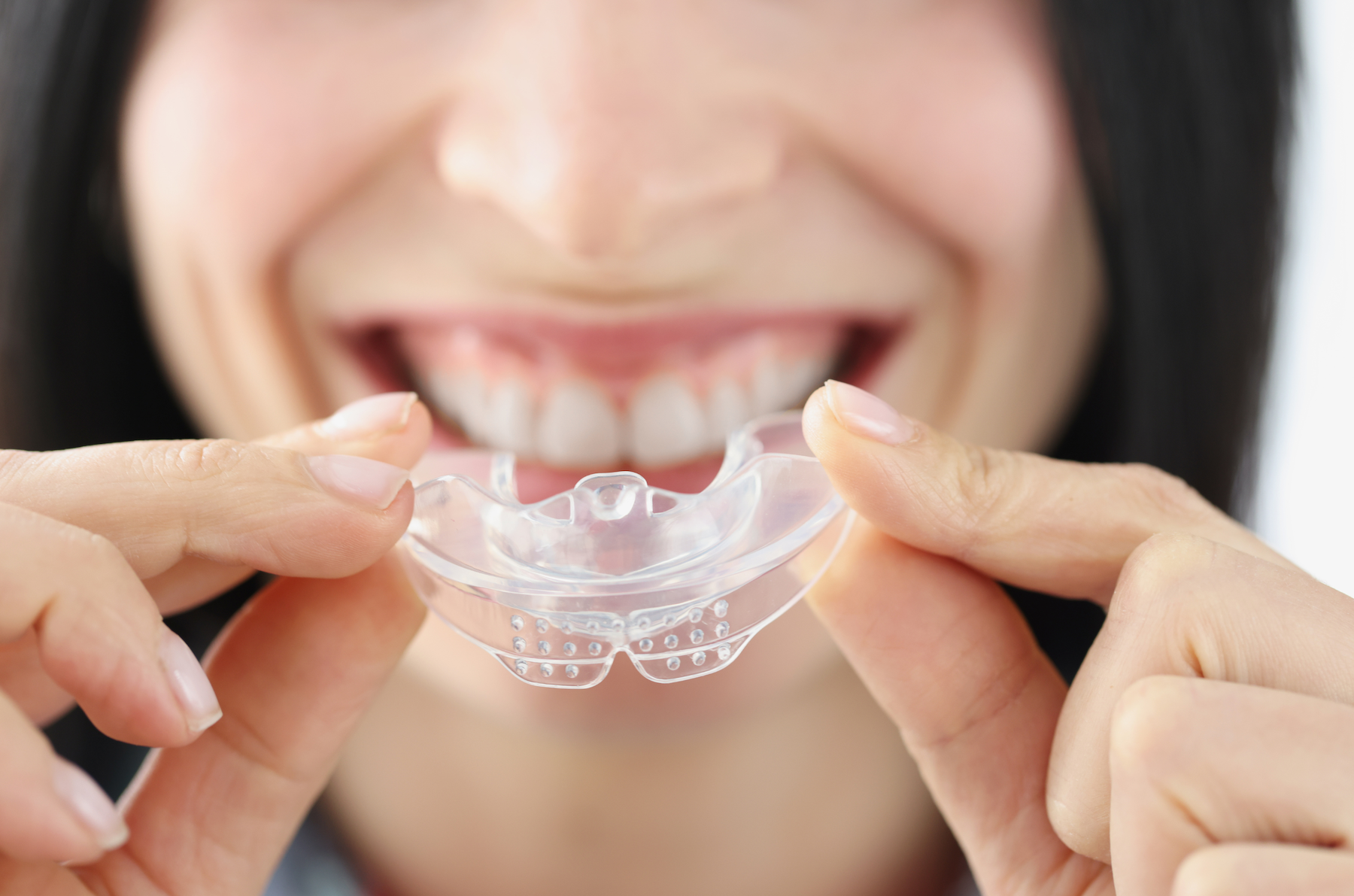
A professionally made night guard protects your healthy smile by preventing your teeth from scraping or grinding against each other as you sleep. Grinding or clenching your teeth while sleeping is very common. Approximately 30-40 million children and adults suffer from bruxism — the official term for tooth grinding.
Untreated bruxism can damage your teeth, causing cracks and chips. Grinding or clenching your teeth together can gradually wear away the outer layers of enamel, potentially making your teeth more sensitive and brittle.
If signs of bruxism are noted during your appointment, a nightguard may be recommended as an option to protect your teeth.
-

Scaling and Root Planing
In some cases, plaque and tartar build-up can be significant enough to cause gum recession and bone loss. The team at Heritage Oaks Dental will assess the health of your gums and, if indicated, a deep cleaning can be done to prevent further tissue loss and improve the health of the gums.
Your deep cleaning occurs in two stages. First, your mouth is numbed, and your hygienist uses a manual or ultrasonic device to remove all the plaque and tartar above and below your gum line, cleaning deep into the pocket. Then, the hygienist smooths out the roots of your teeth.
This encourages your gums to reattach to your teeth and promotes a healthy smile.